The Promise and the Failure: Reforming Victims’ Rights in Oklahoma and Beyond
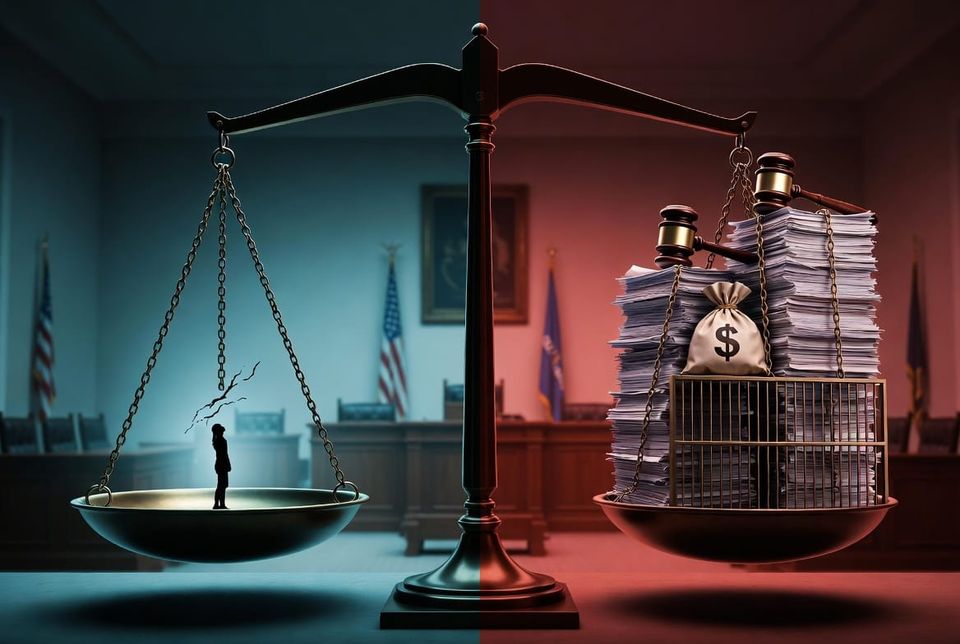
In her recent article, “When Rights Aren’t Enough: A Survivor-Attorney’s Critique of Victims’ Rights in Oklahoma and Beyond,” Rhiannon K. Thoreson, a Tulsa attorney and survivor of violent crime, critiques the gap between the promise and reality of victims’ rights in Oklahoma and across the United States. She explains how American criminal law historically treated crime as a matter between the state and the accused, sidelining victims until the 1970s and 1980s when advocacy led to reforms. Every state now has victims’ rights laws, and Oklahoma’s 1996 constitutional amendment and statutes grant victims specific protections—including notification of hearings, the right to be present and heard on bail, pleas, sentencing, and parole, submission of impact statements, and restitution. Additional safeguards exist for sexual assault, human trafficking, and protective order survivors. On paper, these rights appear robust, yet Thoreson argues they remain largely theoretical because the system was never designed with victims at its center.
In practice, victims in Oklahoma and nationwide routinely face an “enforcement gap.” They are often not notified of plea deals, excluded from key hearings, discouraged from giving impact statements, or ignored when seeking restitution and safety measures. Thoreson identifies systemic barriers: victims’ lack of awareness, absence of independent legal representation (prosecutors represent the state, not victims), judicial resistance, prosecutorial discretion, and cultural inertia in a system built for defendants. Even victim-witness advocates, while helpful, lack independence and cannot act as true legal counsel. Drawing from her own experience as a 19-year-old survivor, she describes being denied basic rights like notice and the opportunity to speak at sentencing, illustrating how rights without enforcement mechanisms become retraumatizing symbols rather than guarantees.
Thoreson concludes that without meaningful remedies—such as standing to sue, damages, or accountability—the rights are illusory. She highlights the lack of private causes of action and broad immunities shielding prosecutors and judges. To close the gap, she calls for reforms including state-funded victims’ rights counsel in serious cases, a dedicated ombudsman, mandatory judicial training, clearer standing rules, and better technology for notifications. She points to stronger models in states like Oregon (state-funded legal advocates), Arizona (ombudsman and enforcement mechanisms), and Ohio (court-appointed counsel and appeals). Ultimately, Thoreson urges attorneys and policymakers to move beyond symbolic rights and create a truly balanced justice system that treats victims with the same dignity and enforceable protections afforded to defendants. Below is an excerpt from Ms. Thoreson’s article as well as a link to the full article.
When Rights Aren’t Enough:
A Survivor-Attorney’s Critique of Victims’ Rights in Oklahoma and Beyond
By Rhiannon K. Thoreson
I became a crime victim long before I ever became a lawyer.
Before I understood the structure of a courtroom or the language of legal procedure, I knew what it felt like to sit in a courtroom, trembling and confused. I knew what it meant to be re-traumatized by silence, delays and indifference. I learned the hard way that surviving the crime was only the beginning and that the criminal justice system could compound the trauma, even as it claimed to serve victims. READ THE FULL ARTICLE HERE>>>